A Quiet Passion Film
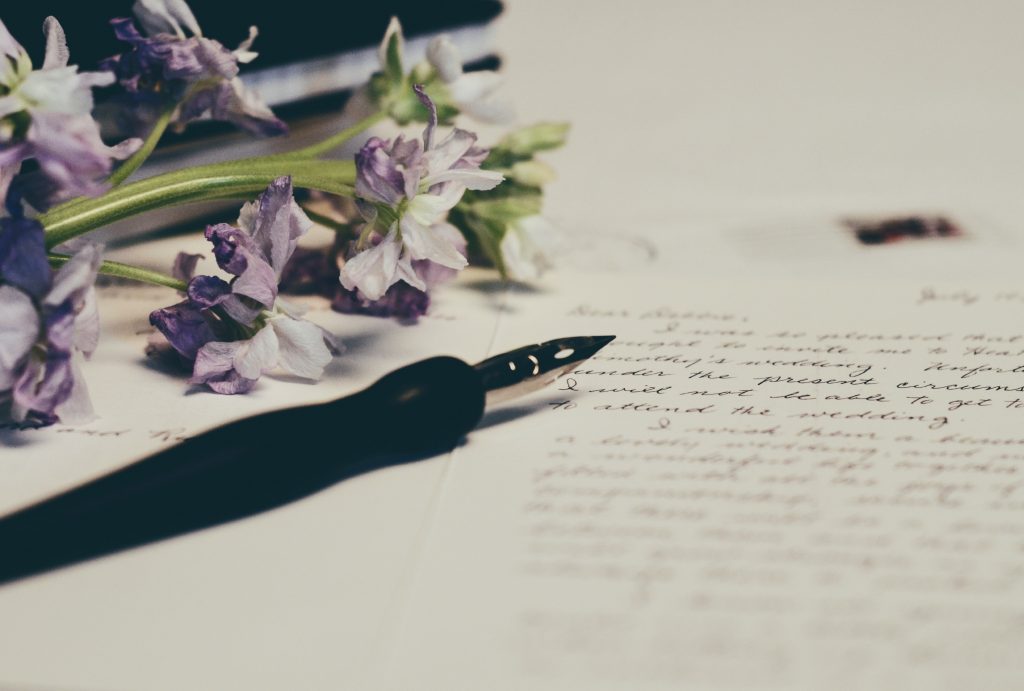
After much hassle, trying with a VPN to no avail (hello VPN newbie) my sought-after Amazon movie remained unavailable in my region. So, I resorted to YouTube, not really my fave. This old laptop can’t umph the volume enough for the platform. Resigned, I followed Emily’s example and set up camp as a recluse, in my room, while the rest of the family watched a popular dystopian series in the TV room. Closed the door, drew the curtains, placed the small screen on my nightstand, and sat on the edge of my Sunday dystopian bed. After surmounting the initial technical difficulties, I was ready to indulge in a film by English screenwriter and novelist Terence Davies. I realize, months later, I’ve missed out, not having seen any of his previous work. I’m practically ashamed, really. The reason is the usual one. I’ve been distracted inside the dense bubble of survival mode on. To the point of forgetting fine moviemaking is always there, just around the corner. And I’m guessing only Terrence could have portrayed her like this, being a writer himself. Emily’s lines are living art. Thus, the film had to be exactly that. The motions of her life infused by words. And the other way around too. Life propelled by words, givers of anima. An artful proposal, the scenes are akin to an exhibition, a dynamic walk through a museum, where stillness is relative to our perception of time. The Dickinson home is as much a character as the people it contains; a canvas for sober, unadorned days, apparently, because an undercurrent of passion flows through Emily and spills over, drenching all nooks and niches of the wooden abode. Even the scenes outdoors, in the garden, outside the church, are composed as if a painting from the great landscapers. Cynthia Nixon embodies Emily’s persona with her stunning performance; the quiet passion trembling in her eyes with each line, seemingly on the brink of tears, a mixture of bliss and sorrow, a strange borderline between beauty and despair. Each dialogue a jewel, a special piece of the puzzle. Interwoven are many of her longstanding quotes. Somehow they fit the scenes painlessly. I’m guessing some critics could say it sounded forced, affected, but I would argue that her words were never separated from her life, the way she lived, a type of honesty that demands outflow, be it on paper or at the family table. Her mother’s depression caught me off guard. She and her sister Vinnie cope by offering pity, a compassion that seems to emerge naturally from their inability to do more than provide soothing comfort. Not much else could be done. To me, this severe mental state is a crossroads, a symbol, almost a point of union for the poet, where the despair of it all meets her constant flux of awe. A heavy burden for sure. Davis depicted her father as a disciplined and diligent man, intellectually inclined, and emotionally contained, but loving in his own austere way. I wondered if he felt abandoned as he didn’t have a fully dimensional wife at his side. She was partly gone. Depression sucked her in, and nobody could rescue her. ¿How afflicted was he by this special type of abandonment? Emily, the town recluse, exercised freedom in her own way, like when she negotiated to use nights for her writing. I could only guess her father was the keeper of household rules, of correctness (mom wasn’t there) and these dictated the people should be asleep at such hours. And when she refuses to go to mass or to kneel when their pastor commands, as they would pray for her salvation. But she doesn’t. Maybe too keenly aware, she wasn’t there yet, ready to be saved. Or maybe it was the exact opposite. She was fully arrived, awakened, at the end of things, a presence of being that sees poles unite, dualities collide, mesh. The kind of someone who we recognize as a poet.
Familiar Stranger
We don’t know who he is. Some days, a misunderstood prophet, come back from the last days of his trials, when the townspeople wouldn’t listen. Others, an artist taken over by a passion, meaning to write up in a frenzy, unable to stop himself, in some quest against time. ¿Will he reveal the secrets commended? His violin bold drama. Soon after, hands strike the piano keys composing his own pieces, at times morose, later epical. He tiktoks existential, wielding a sword in thought and skill. Hours pass alone, submerged in epochs gone. His world stirs, the timer scrambled. And he claims too much, but we love him still, yearning for a true flame in the midst of so called normality. His mane a shadow over smokey eyes obtuse. His desire ignites sending nuclear blasts up toward the stars and… We’re still asking who he is. https://music.youtube.com/watch?v=UfN8YXAsSh0&feature=share
Angel Codes in 5

The first time, I was gifted a smooth, white quartz. A milky crystal to hold and cherish for protection. That’s what my mother-in-law, Marge, urged me to do. “It’s already blessed,” she said, “on my last trip, I stood inside the circle of the round temple and held it high to the sun. The shaman assured me it is charged with my good wishes for you.” Of course, I accepted her benign gift. “I believe it’s Archangel Gabriel’s, maybe Raphael’s stone, but don’t quote me on it, It’s blurry,” her post covid memory speaking. Not particularly bothered or elated, I thought it a nice thing to have around and admire. She went on about her visit to the traditional ritualistic site in central Mexico. Next time, they came as music. Celestial chants from a relatively new choir popped up. The music app said it was something I might like. The Poor Sisters hailed heaven. Their Elysian voices enveloped the old SUV’s interior, lighting up the world. A sense of bliss popped up as something I might live. Again and again, I let it repeat, like a junkie for the fix, all the rest of the month. The third time I located a feather, resting gently between the intersection of two branches. Its delicate filaments shuddered softly in the early spring air, calling my gaze into twilight. Soon after, a casual search on the Internet found me a handful of sites. They stated I might find such a sign, in case doubt was too set in its ways. The fourth time, they sent a token. ¿A secret password? ¿ A code maybe? Not sure, but they left a Rummi chip with a number twelve face up, partially buried in the warm dirt of the park, waiting to be unearthed. Back home, I googled lots, searching in a rampage for angelic codes. Confused, dazed after encountering such a vast mixture of data and tales, I retreated. I’d stay concise and follow their example. Twelve would be our simple token of trust, nothing more. The fifth time they just plain spoke. We were in the middle of yet another summer blackout. Our house stood silent, heavy with trapped in heat. Hubby called the electricity people to register a service failure report. Then a voice “¿How may I help, what seems to be the problem, where are you located, what time did…” static on the line, fizzy sounds. “You’re fading,” said hubby to the kind lady. Soon came their voices, electric words spoken, particles stirred in ether waves, rip roared in my mind. A language not any of us understood, but it brought the light back, instantly. Hubby pressed “end call” on his cell. That was that. Five times assured, five ways to tell, I’m in good company.
Pigeons
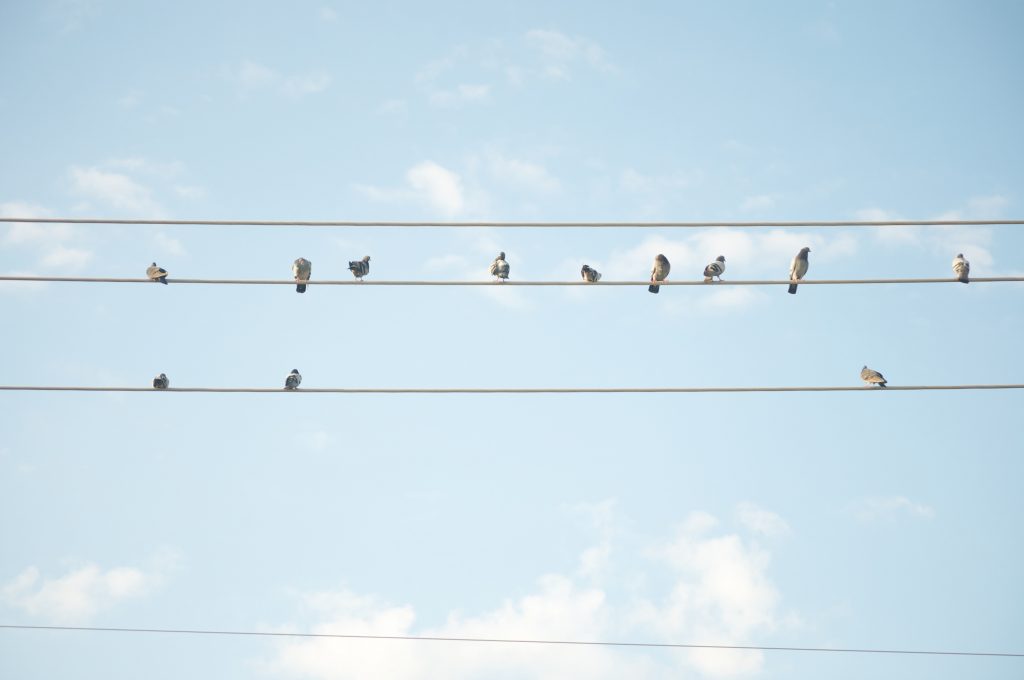
We still notice them, sometimes, but soon forget their presence. These days they swish more impetuously, in front of speeding vehicles, barely making it, overconfident. They stare down at us, perched on a myriad cables overhanging our city’s space. Curious groups overseeing our bustle, the haste of our misunderstood time. Poised on roofs or in the hollows of a rickety overpass, their plumped up chests point to the sky dignified. Then, a steep dive. In brief trips from one vector to another, deep murmurs infuse the air, whenever our ear manages to filter, the mass of sounds looming, echoes clashing against brash new buildings. They fly over our park, landing on the faded bridge that crosses over a turbulent river of cars. Their flights are oblivious to change from the increased traffic, our frantic drivers trying to beat the hour, lost in neurotic worry. Pigeons plunging into space that used to be innocent, now taken by construction sites, modern apartment buildings, sets of even more cabling, crisscrossing between. Reaching long, a gray palette of feathers extends before take off, and in a swift sweep, before I know it, they’ve landed with conviction on the next grimy roof. I heard their guttural remarks just the other day, talking amongst themselves, but their meaning got muffled by the wood polisher machine, the tile cutter going full blast, well into the afternoon. ¿What is the secret to their excitement? Pigeons everywhere, so much so, barely anyone ever notices. Coexisting on our roofs, inside carcasses of old buildings soon to be demolished. The common invaders cradle my afternoon, in layers of foggy gray, creamy white, and homey coos.
Commute
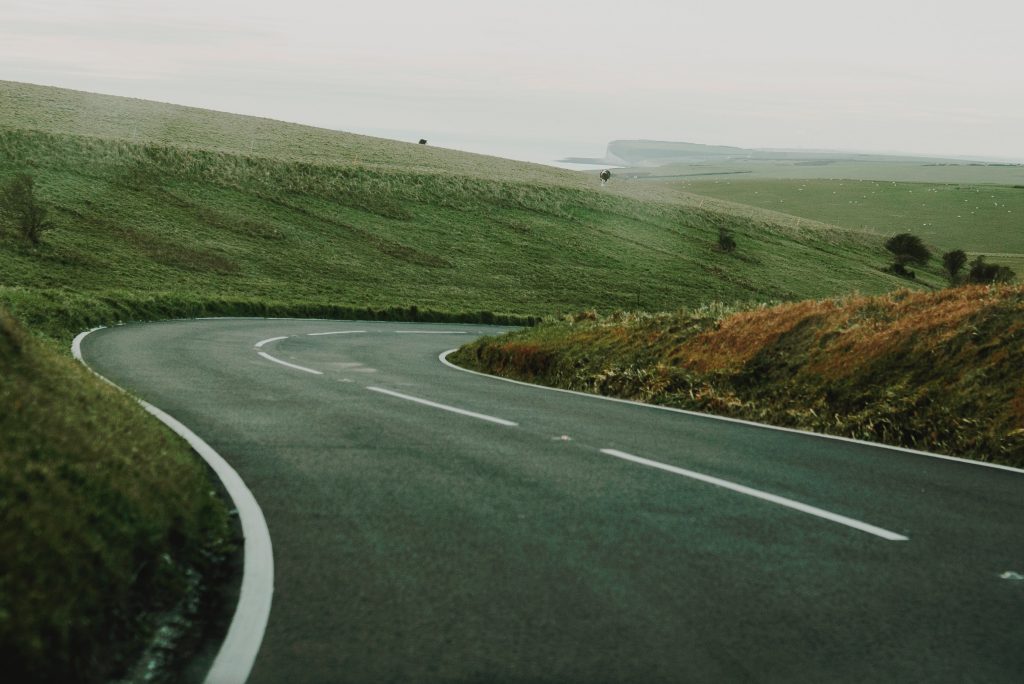
Not much is needed, besides good food, select music, and the same unruly road. The 2016 SUV still delivers, though we should at least promise to change her front tires. Soon. Fortunately, our Oxford gray ride is trustworthy, even if she croaks over the dimpled streets of this overgrown city. This morning, your avocado toast soothes with the aroma of sprouted wheat, and my coffee seethes in its metal thermos. But before digging in, you roamed my paid subscription to Spotify and decided to try our luck with an album we haven’t heard yet. It might be a good one. We are a curious pair, of tired city dwellers, commuting each day in hope and determination, that these repetitions will bear fruit for your future. Resolve has become invisible, we feel compelled. ¿Is it the strange working of destiny that makes us travel the twists and crannies of the urban sprawl? The SUV sails among a potpourri of vehicles and trailers, making their own ways, detached from our cause. You bite into the golden toast with certainty. I’ll take that as a good omen after a much needed swig. The piping hot brew disseminates hope. This is our ritual. You illustrate, without intending to, how it is to be so young, gambling on a road with few guarantees. You make me recall. I also used to love toast in the morning and looked out the window as I commuted to school. The city’s corners, its sequestered neighborhoods, populated by gamblers of life, watch us roll by. We loved the album, turned out your selected artist was a darn good songwriter. If it weren’t for you I’d never have known, that’s the thing. We are commuters compelled by shared destinies, travelers, and our road in company already contains the secret password, the lucky charm, your future behind the muddled housing. Soon, I see variegated meadows stretching ahead. Oxford gray roads meld into a new portrait. Our SUV is now venturing into crisp, new territory, the city left behind. Cows graze comforted, green is the guiding color, just as you finish the last of your avo toast.
My Antonia
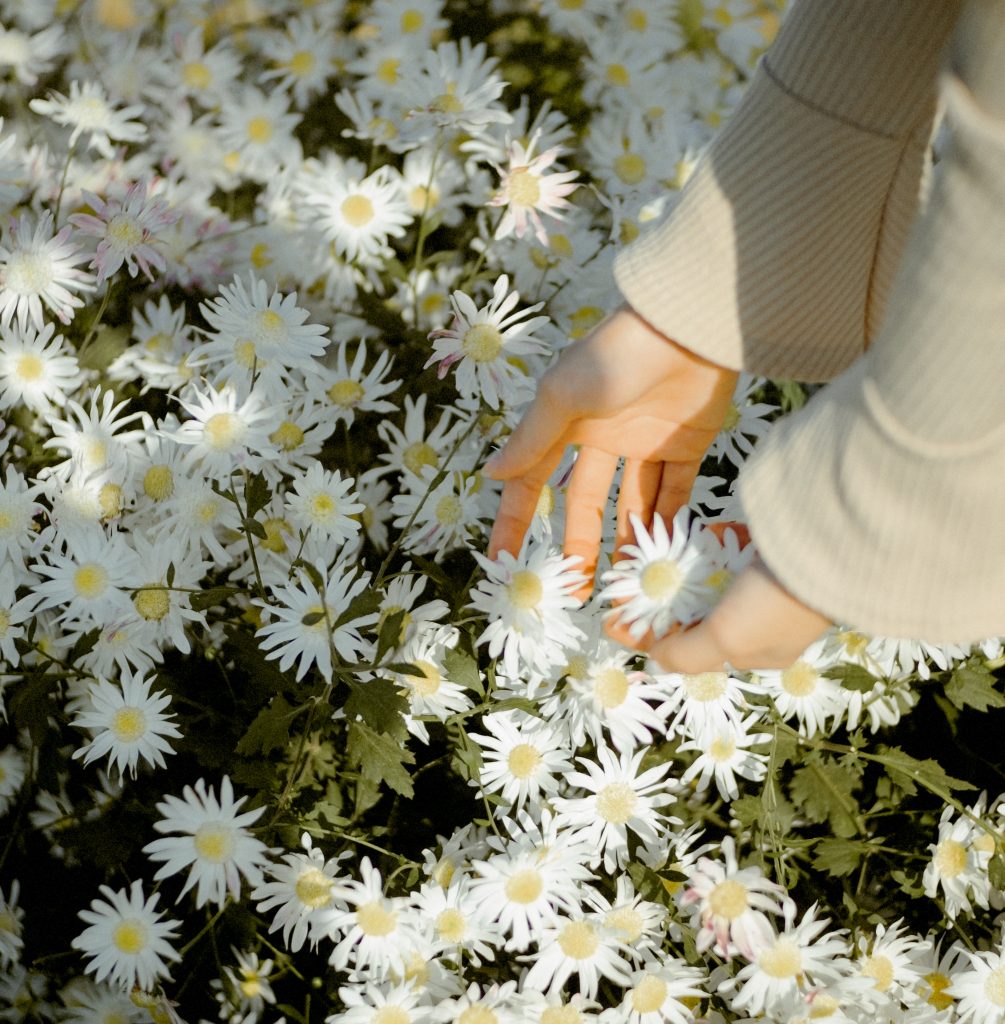
A quaint, soft-cover book had been sitting around at home for years, in one of Mom’s Mexican rustic bookcases. Back in my twenties, she bought me a batch of English classics to read up. She saw me consume the dainty hardcovers from her Jane Austen collection. Brontë’s Jane Eyre found me a new heroine in the convenient pocket paperback. The yellowish pages from mom’s Wuthering Heights copy revealed the kind of obscure romance I could get hooked on, and dwell on its effects for days. Still, it was a bit difficult for my young self to read these works, as it was an older English than the one I was used to. Also, it wasn’t my habit to halt my reading long enough to dig into the dictionary, learn new words, and above all, retain them. But I never got to My Antonia, life just threw things my way, and I got caught up and entangled in her net. I married, got my own place, had three daughters. The gift kept to itself, stowed in a sturdy cardboard box after one of our many moves. My Antonia stayed put, together with Tess of the D’Urbervilles, Saki’s collection of works, and Jude the Obscure. Somehow not gathering too much dust, loyal to the classic sheen of friendly paperbacks. But how naughty life is. She decided it was My Antonia’s turn, rain or shine. It was for the best, I needed a healthy break from my phone. Checking on social media kept reminding me of my precarious financial situation at that time. Acquaintances flaunted their trips abroad on Facebook, and then reposted on Instagram. They strode along beaches, ate amazing foods, looked great at family get togethers, and were just so happy. Nothing was there for me, for sure. When my youngest began college, we had to drive 30 miles each morning to another district. Gas wasn’t cheap. My backside didn’t take kindly to hours of sitting in the car either. So I decided to wait for her on campus, saw no point in driving back home. I took out My Antonia from her station in the card board box and set myself up to read all about her. I unfolded the seat of our cherry red hatchback, propped up my loins on a couple of old pillows from the linen closet. My morning coffee was hot and ready in a thermos. I took a swig between bites of the breakfast cookies I packed that morning. I read like my young days, when I had no real commitments. Willa Carter’s book went back and forth between districts, Monday to Friday. I built a little routine of breakfast while reading. Took a walk. Back to the car. Read some more. Took a nap. Another small walk, while pondering on the wonderful story of Antonia Shimerdas’ untamed spirit. The realistic storytelling, tidy descriptions, the earnest portrayal of the native natural surroundings didn’t need additions. All was perfect, no Facebook. Those days were for Antonia, Jim, and their part in the building of a nation. Carved out of its earth, begun at the dugouts, moved upward with ambition, sacrifice, and spirit. I wept when, towards the end, after many years, Jim went back to the countryside to visit Antonia. I worried one of them might die before that day, but bodies weren’t frail like that; they could take quite a bit of the harsh wilderness of the agrarian country before giving in to pain and disease. Jim reencountered an even more beautiful woman on that last visit. Abundant in children, she’d borne the fruits of her incessant hunger for life. A love of the land, the physicality of work, and the memories of her father’s own hardship had cultivated her soul. Naturally proud of what she had built, she seemed to know that her mission had been fulfilled. Antonia tamed Nebraska’s wildness in her heart. Her sturdy spirit spoke to me, amidst incoming chat messages I cared little for, and commutes. Those were silly nuances under the rugged will that shaped Antonia’s body. She lost almost all of her teeth to pregnancy, but her eyes shone as always, even in the haggard face of struggle. They celebrated under her garden pagoda, talking as all of Antonia´s children played around. It was victory, the climb out of scarcity, a life lived to the very last drop.
Springs
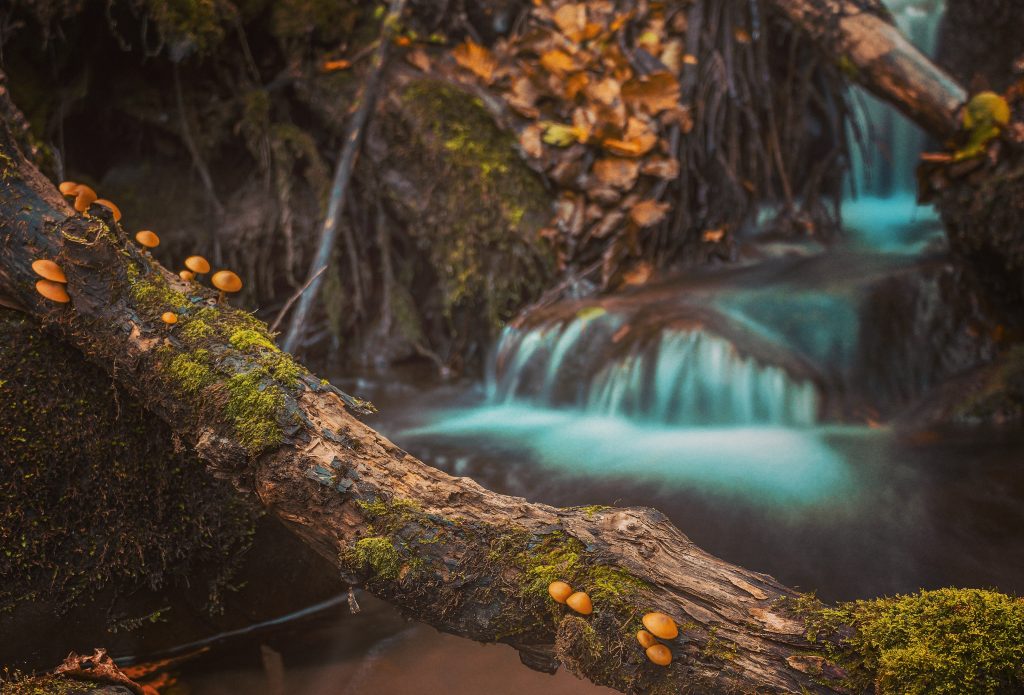
That hope springs eternal It has been said Sarcasm or bliss But what if hope be the mesh? Sifting, Dread of sharp gravel Impoverished thought disgraced Pictures torn and mended Voiced disarray Chimes hardened to rust No message conveyed. And if hope be the finest Might she be formed by air Flickers of matter Mysterious substance Prowess of light? That nothing could touch her Yet power belied Such fabric confected by hands beyond mind To withstand our sorrows Doubts and dismay I dare say she lies quiet Amidst a spring they call faith So we hide behind eyes Soaked Striding terrains on the bleakest night Groping on forward Hoping to see But desperate hands grow numb We must stop to breathe And when in air unhindered By heavy footsteps dense We notice at last Her lonely hope of sense That hearts might flicker When chimes announce Hidden springs revealed Faith lost and found
Home Element
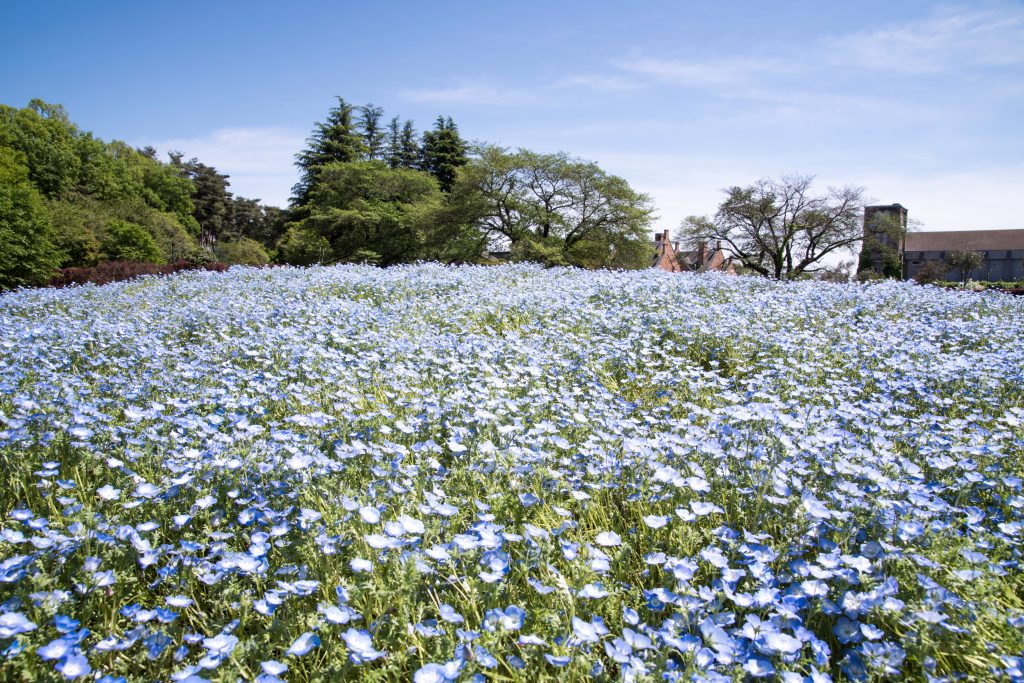
His hands should feel like home Familiar as fresh morning coffee Otherwise I couldn’t even imagine Steaming cups terrenal Espresso lust and mocha, Dribbling down the corners of our lips. And if our grounds were too alien I’d lose my way to such skin Because when a calm moons linger silent In his stoic eyes constricted His old beam permeates my phantom clouds Troubled from vapors Imprisoned in my mind. We may be two versions of the same As he reaches New heat ignites prudent blue Pink and orange Loosened soil from his grainy palms Tells familiar truth forgotten. And at the highest of life’s overwhelm With gracious hands humid After another grinding afternoon I can still tell He’s not all water He is more of earth So I lean on his chest and feel the evidence. A heart beating sturdy inside firm walls My hands lay on them assured Remembering things elusive. That home can stand amongst phantoms Unsettled Clouded And even then He holds me.
Lifeline
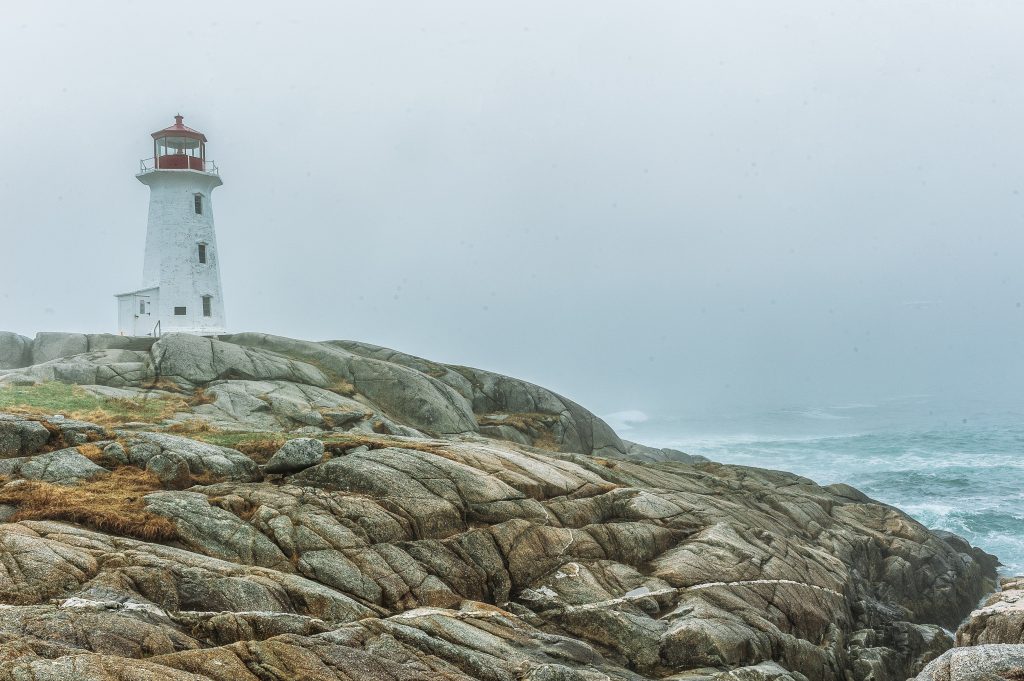
I’ve pondered lately, looking out this lighthouse, the one we never considered stopping at. Your childhood boat cannot get close enough, it seems lost amongst the peaks of heaving challenge, dipping in a yes, swaying in a no. Yet, the beacon keeps doing the rounds, shedding light over the restless ocean of epochs. And we’re still here, trying to moor. The sea hasn’t deceived us, we always knew. There is strength beyond our means, stirring under the waves, and yet, we pretended to navigate by the book, as if unsurprised. When I finally made it to land you weren’t with me. I walked to the stone tower, let myself inside its vacant walls of salt. The emptiness roared as I climbed up the spiralling stairs, the weight of our past heavy, on my dried out knees. But I chose to come. Every night, as I tried to sleep, I could hear them. Powerful waves of deep secrets crashed against the cliffs, all around. And every night my eyes snapped open, just before the worst and final blow. I got the chance you didn’t on that unexpected misty morning, when our shabby boats settled over a silent crystal pool. The creaking stopped, the wind grew still. I could see right through to the bottom. Blue-green rays rippled below, soothing the interior, making soft dunes. I imagined myself a seal in divine waters, so I dove in and swam unhurriedly toward the lighthouse. You were sleeping. But I didn’t expect the emptiness inside, and I wasn’t properly attired for virgin land. Love, nobody will tell you. Beginner’s freedom stands cold against a brazen ocean, no voices, no song. Will you ever forgive my leaving? I’m still here, at the lighthouse. Won’t you look up, ride a wave, leave the dried up boat. Break off the pretended vessel. Come to me. I’ll ask the sky for a misty evening, because I know you hate mornings. I’ll throw you a line, but only if you are willing. It’s the only way oceans really settle, the only way they abide.
Song Spirit
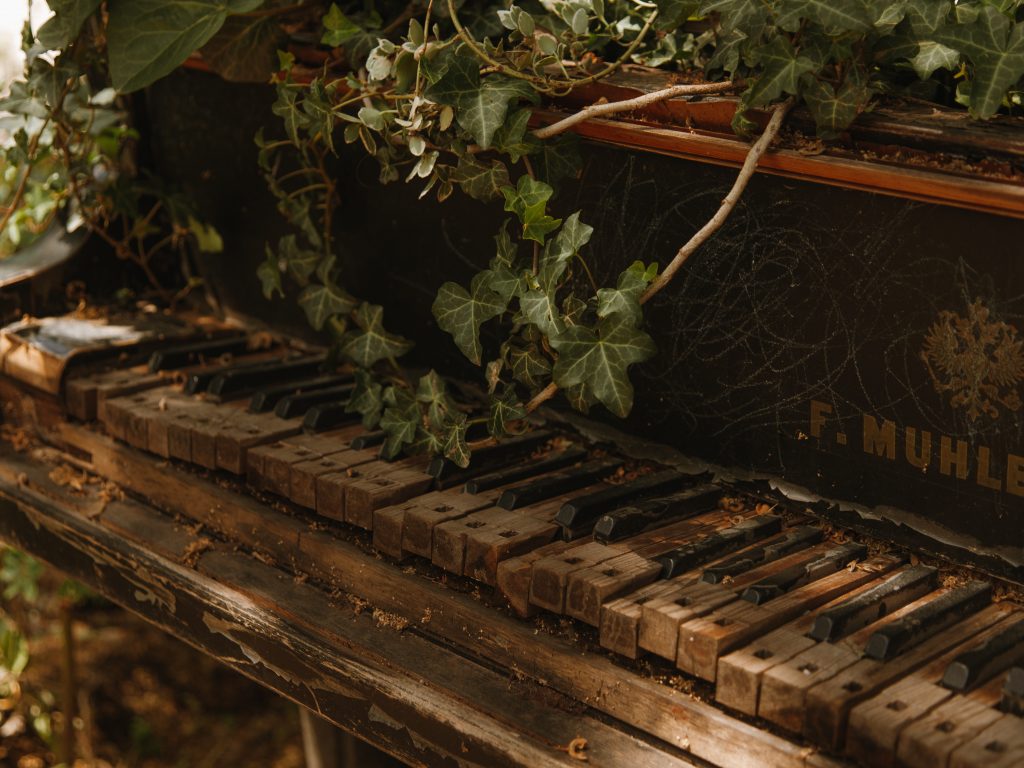
Song Spirit of days past delivers appropriate comment. Thoughts triggered by melodies ongoing in the city’s mist, uploaded onto particles invisible, that he knows well how to catch. Quickly, he throws in the right verse. Masterful in the art of capturing exact moments, almost a machine, he recovers musings leftover from sleep, memories believed to be forgotten, old coats hung in the cloakrooms of our past. He sings by day and, when night falls, keeps to himself, as we observe dreams unfold in curiosity. Dim meanings unravel in ways I cannot decipher. But his silence has a purpose. He waits until morning, when the proper wavelength travels back, again filling my head with sound. Upon awakening, Song Spirit catches passing vibrations and pokes at my ear. That I should know the song, that it sings exactly what we saw in dreams, that I should learn it already. We yawn. Soonafter he takes flight afresh, dismissing my pace. I asked him to stop for a moment, to explain the new tune circling my head. He answered it was impossible, for he catches moments riding sound waves, it’s a continuum. What he won’t say is that his work is play, when he tickles the sprites to release the song I had forgotten.