Time stamps
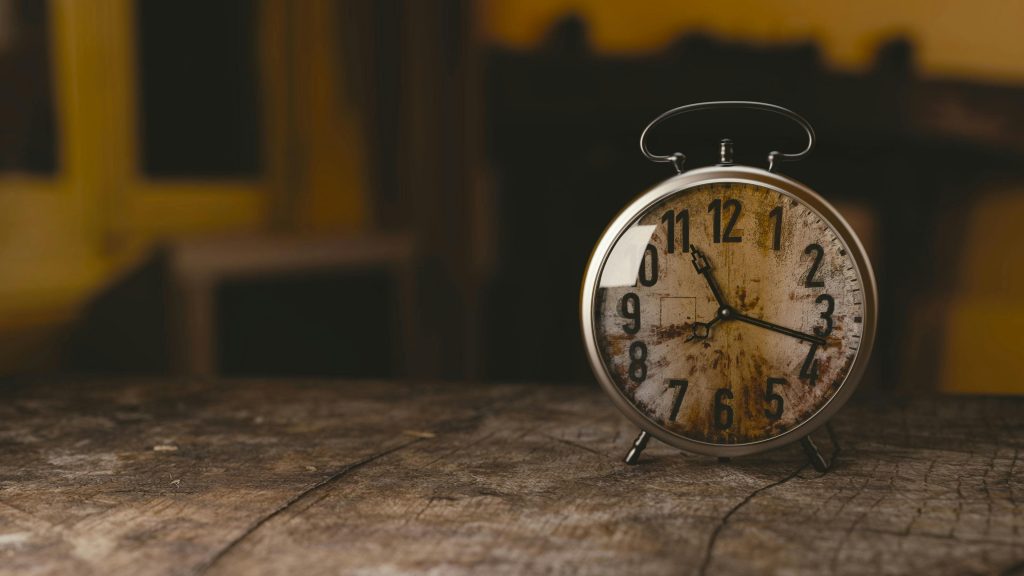
Time deals differently now. I ask to the invisible ¿have I been dislodged, dug out of somewhere, a matured stone turned crystal? ¿Or was something dug out from me? ¿Is it possible to go backward, find the place where I was brighter, before solidity? Maybe even further back, to the ancestors, in the deepest forests, when conversations happened all at once; trees reverberated voices, whispers emanated as song, before this extraction, when the pit was left bare. ¿Could I sleep in such crystal perfection, resting as a goddess, carefree, accomplished just for being placed, that dreaming would be my only formal occupation, a profession eternal? But for now I must resist the call to the grind, the advancement mill of success, of my present time stamp. Upward I only see the whipped clouds. Skies rest before the coming of age. Our atmosphere heaves like the oceanic tide and then exhales, belly flat. I must learn to let it out too. And the pit, ¿what about the pit? It’s what I carry. Memories clinging for shelter, when the wind whines harshest. But time ran itself out, it chased itself mad, time to refresh. So, ¿should I fill it now or honor its sullen interior? I’ll give the pit time to sulk. Afterward I’ll patch it good. Make it wholesome with loosened soil, intense nutrients, aired by early spring. I’ll pack it firm, and mark the repaired hollow with a sturdy flag. This is my new time stamp.
River
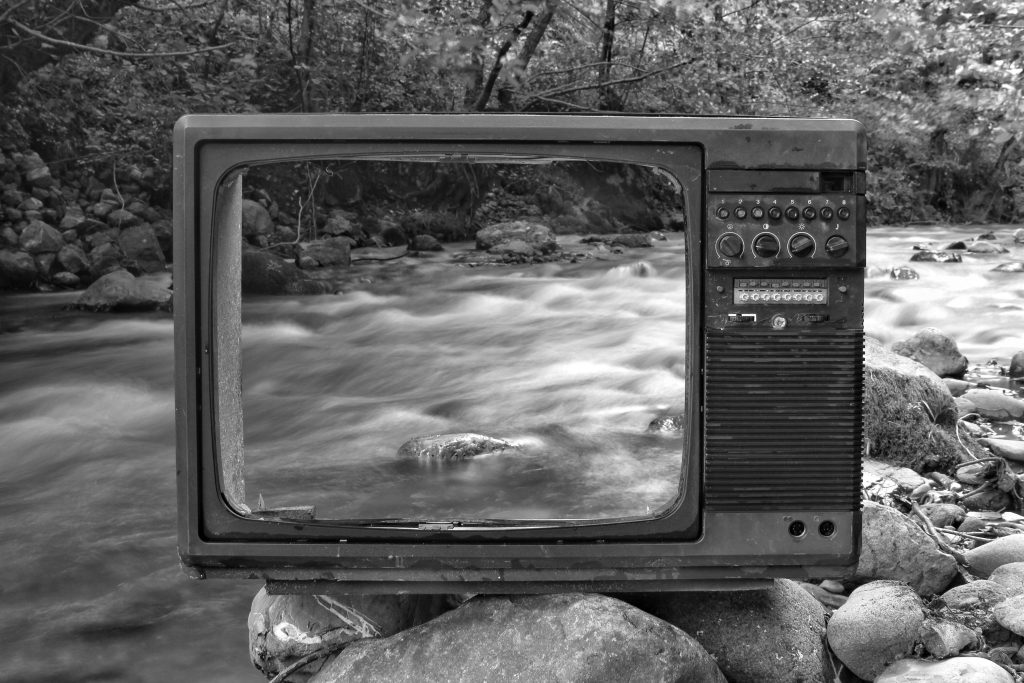
February skies my hearth, wind whispers my name transparent, knowledgable of its nature. I was raised in this winter quadrant, the Sun to the horizon, and they said it’s in detriment but I’m not bothered. My name runs through and is lost, but will find other hearths on its unpredictable voyage. Because I randomize, that is my fort, gusts out of synch. But today the Sun has snuggled up to Saturn, and I must see reality, fine as this day’s sky. He hints from his warm abode. An answer is born and is sure to last. I don’t have to push for it, mix it with others, or put make up on it. Reality just runs itself out like my gusts always do. Skies sing, they are taking to finer yet more potent winds. My hearth will never again be what it used to, it is almost ashen. But I see futures reflected when I stand by the river, the one that runs through all fields around. It goes on forever, doesn’t depend on me. I should only observe, listen, standing right here, on the the rocky bank. I close my eyes. A new gush comes, electricity in my head. The river builds up thunder, currents unstoppable, as native February must.
Transfusion
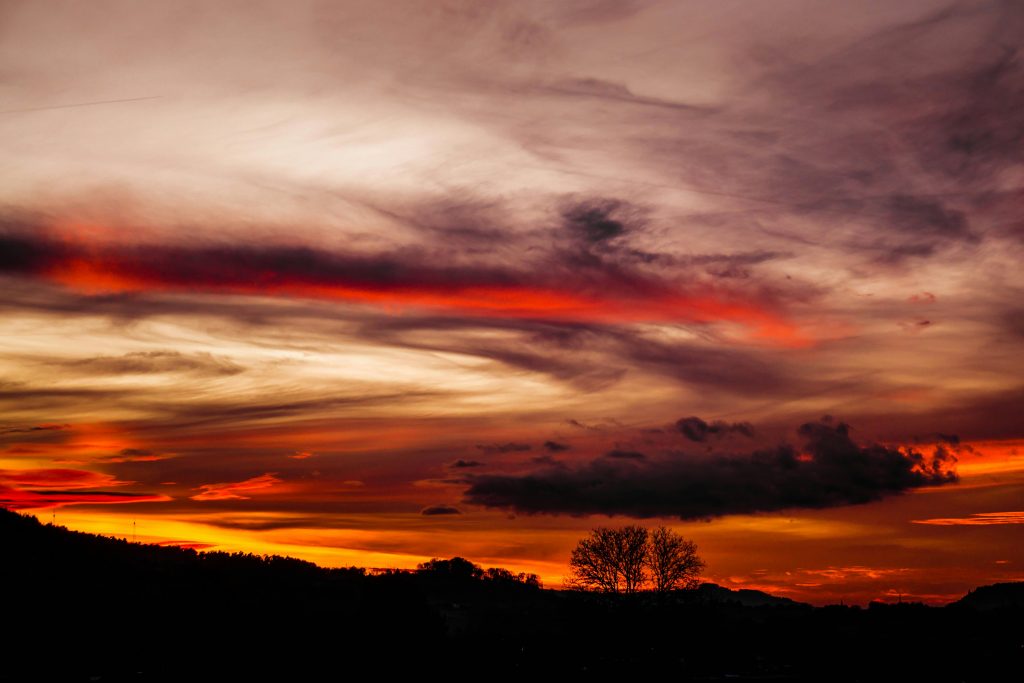
I guess you were meant to iron me out, after times of intense ambition, climbing cliffs, goat’s hoofs embedded in solid rock. Games for climbers, persevere up the steep and, I suspect, maybe I got lost in it, and this round has to be the last of that. You must spend all of me, empty my pockets. Imagine our tie as a promise made a while back, of bleeding it all away, and soon to come, the full transfusion. Total hema count anew. After you scrunch me up good, wrung it all out I’ll ask —¿what then? Let’s realize this in exhaustion and pray. A new configuration gurgles down below. On the surface my face sags, my bones hurt. Your hair thins, eyes shot. But we are almost there. Let this be the waiting room, as the last of another Sun year passes outside our window. Wait it out. And when the sky turns reddish and blotchy it is occurring, our next horizon, transfusion, our brand new blood.
¿Did I Just….?
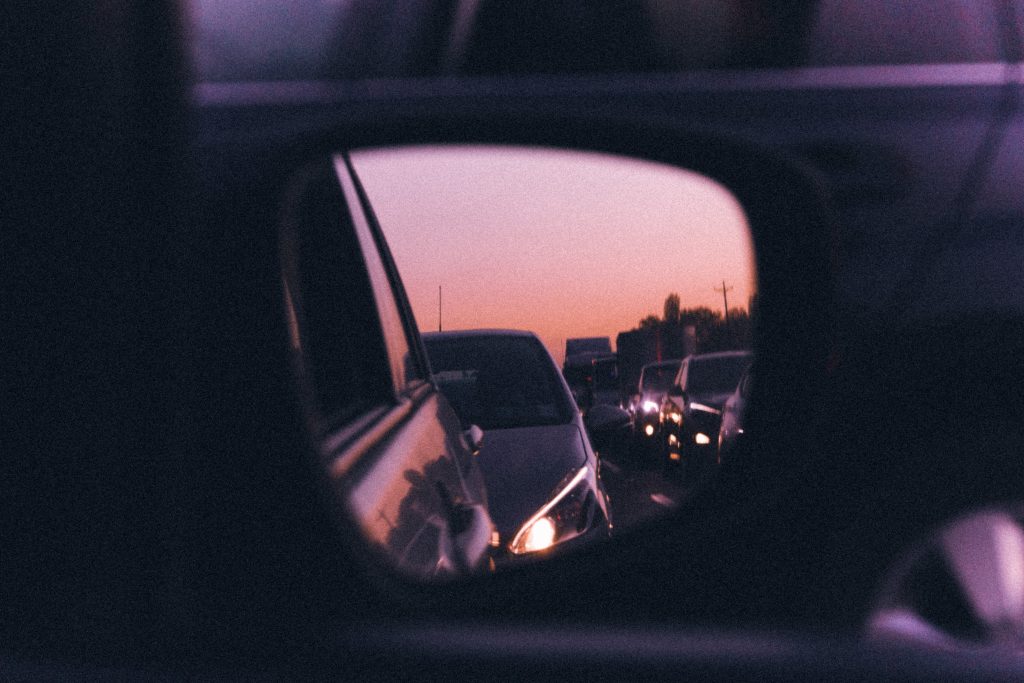
¿Did I just realize truth while caught in the motion, amid the rat race, the traffic jam? Did he just pull up his mask and smile? ¿Did light flood the cabin while I stared, at the dented tail of the car in front of us, and what always has been just took a deep breath, and then exhaled relaxed? ¿Did the past just say hello with a real face, no makeup for the show, no PR? I believe she just yawned. ¿Did I just find out what was never hidden? Freedom hung out placid in terrenal constraint, nonchalant, waiting at the bus stop, no biggie. As I pass the grey, abused underpass, stained by chaos, vehicles swarming, ¿Did I just discover meaning at the edges of my usual brain rant? ¿Am I now finding it funny that we should care so much, that freedom turns out to be a child? Playing in the playpen of borders, earthly limitation, unconcerned by the litter. She smiles nonetheless, she laughs, each moment is of itself, a complete story, no drudgery of carrying it along to the next. She’s quick, organically attentive, not in a rush to make sense. It’s a short cartoon, rich in color, mesmerizing, that’s all. ¿Did I just hear the drums of potential while stuck in a traffic jam?
Clear Roads
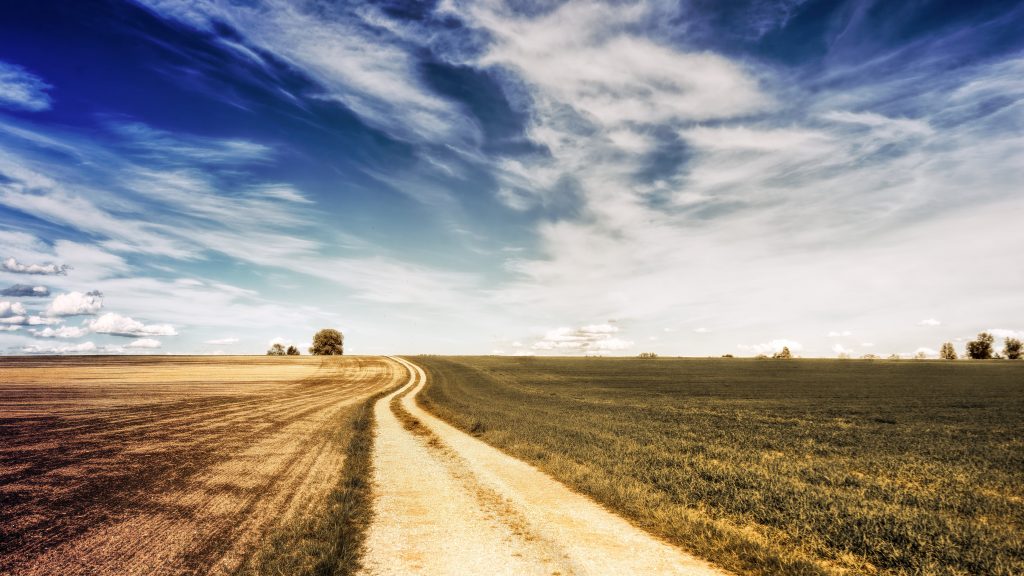
A bit empty, Vacant, Unreachable as clouds. Detached, At the edge of boredom, Unimaginative, Disengaged, The blurred background, A minimalist painting, My canvas almost bare, And all could be. That a bird might traverse my crystalized space, A plane might soar into the deepest blue, Caressing the mist, That wings might spread, New things could appear.
Strange Riches
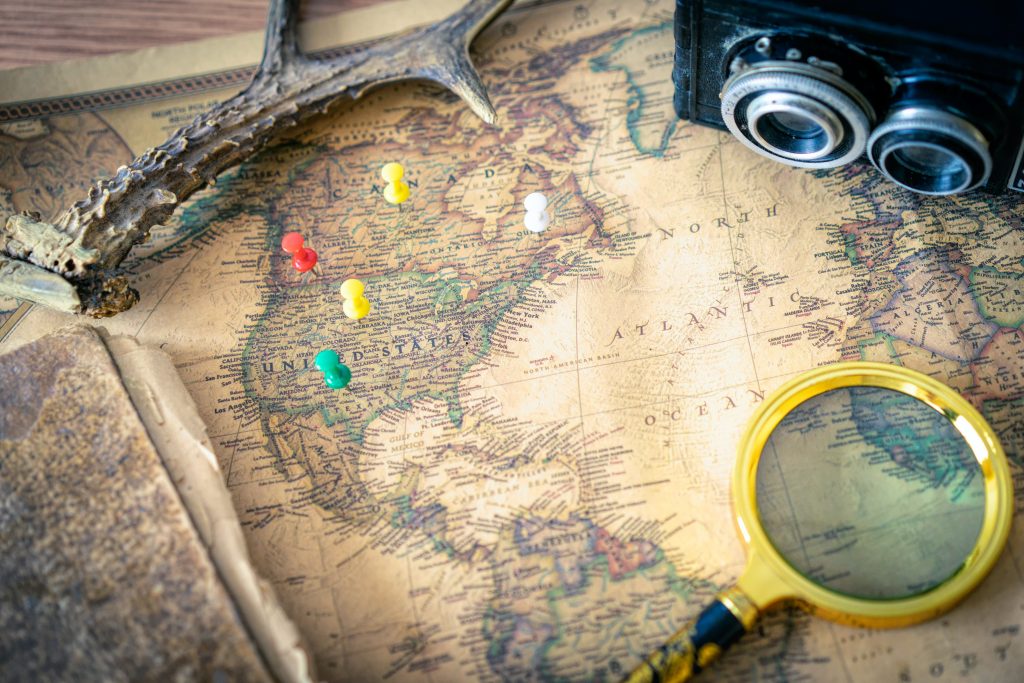
These strange riches given, Stand crumbling on the sullen street of times past. Grandma’s house with its ceiling planks bent, A violent crack runs wild, the length of the dining room, Shut doors, melded to frames, Of childhoods past, stories kept, Flooded memories. But Scheherezade still waits inside Arabian Nights, Bound in real leather, tightly fit in the carved Italian bookcase. Framed maps of antique parchment rest about the entrance hall, Leaning on the walls, waiting for something, Maybe the final collapse. And I wonder, Those long gone explorers, cartographers of time, ¿Might their eyes have met riches just as strange as mine?
A Quiet Passion Film
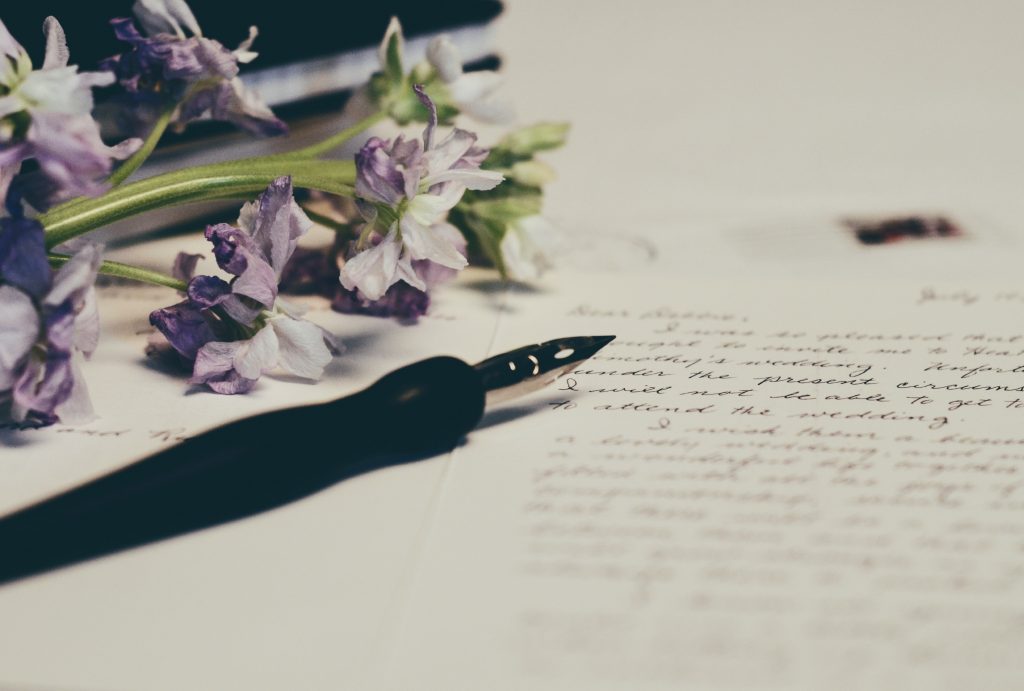
After much hassle, trying with a VPN to no avail (hello VPN newbie) my sought-after Amazon movie remained unavailable in my region. So, I resorted to YouTube, not really my fave. This old laptop can’t umph the volume enough for the platform. Resigned, I followed Emily’s example and set up camp as a recluse, in my room, while the rest of the family watched a popular dystopian series in the TV room. Closed the door, drew the curtains, placed the small screen on my nightstand, and sat on the edge of my Sunday dystopian bed. After surmounting the initial technical difficulties, I was ready to indulge in a film by English screenwriter and novelist Terence Davies. I realize, months later, I’ve missed out, not having seen any of his previous work. I’m practically ashamed, really. The reason is the usual one. I’ve been distracted inside the dense bubble of survival mode on. To the point of forgetting fine moviemaking is always there, just around the corner. And I’m guessing only Terrence could have portrayed her like this, being a writer himself. Emily’s lines are living art. Thus, the film had to be exactly that. The motions of her life infused by words. And the other way around too. Life propelled by words, givers of anima. An artful proposal, the scenes are akin to an exhibition, a dynamic walk through a museum, where stillness is relative to our perception of time. The Dickinson home is as much a character as the people it contains; a canvas for sober, unadorned days, apparently, because an undercurrent of passion flows through Emily and spills over, drenching all nooks and niches of the wooden abode. Even the scenes outdoors, in the garden, outside the church, are composed as if a painting from the great landscapers. Cynthia Nixon embodies Emily’s persona with her stunning performance; the quiet passion trembling in her eyes with each line, seemingly on the brink of tears, a mixture of bliss and sorrow, a strange borderline between beauty and despair. Each dialogue a jewel, a special piece of the puzzle. Interwoven are many of her longstanding quotes. Somehow they fit the scenes painlessly. I’m guessing some critics could say it sounded forced, affected, but I would argue that her words were never separated from her life, the way she lived, a type of honesty that demands outflow, be it on paper or at the family table. Her mother’s depression caught me off guard. She and her sister Vinnie cope by offering pity, a compassion that seems to emerge naturally from their inability to do more than provide soothing comfort. Not much else could be done. To me, this severe mental state is a crossroads, a symbol, almost a point of union for the poet, where the despair of it all meets her constant flux of awe. A heavy burden for sure. Davis depicted her father as a disciplined and diligent man, intellectually inclined, and emotionally contained, but loving in his own austere way. I wondered if he felt abandoned as he didn’t have a fully dimensional wife at his side. She was partly gone. Depression sucked her in, and nobody could rescue her. ¿How afflicted was he by this special type of abandonment? Emily, the town recluse, exercised freedom in her own way, like when she negotiated to use nights for her writing. I could only guess her father was the keeper of household rules, of correctness (mom wasn’t there) and these dictated the people should be asleep at such hours. And when she refuses to go to mass or to kneel when their pastor commands, as they would pray for her salvation. But she doesn’t. Maybe too keenly aware, she wasn’t there yet, ready to be saved. Or maybe it was the exact opposite. She was fully arrived, awakened, at the end of things, a presence of being that sees poles unite, dualities collide, mesh. The kind of someone who we recognize as a poet.
Brother’s Soul Recap
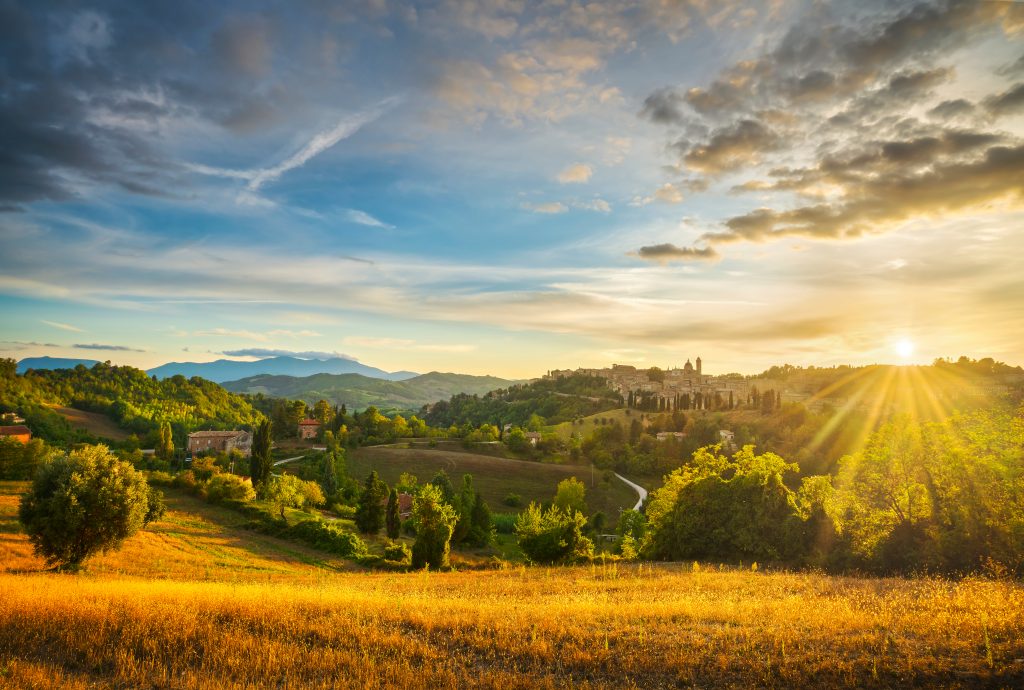
He sits with a purpose, Stays without strain, Concise as a butterfly, A star self guided. Perspires soil, but his heart might bring rain, Trickling down, Streaming along clefts. He practices the main performance, Won’t strive for more than this, Repetition his prayer, Renders sweet. And I do believe, His life might be a river, an intricately woven quilt, Sewn-in careful vigilance, Of each and every infant stitch. And his mind might be open A country sown in neat rows, Awaiting the next harvest, Determined, Under combed skies. Brother is sure to reap from the good earth and, Onto the heavens. When his produce stands in orderly heaps, Realised in the fields of labor, Of love.
Familiar Stranger
We don’t know who he is. Some days, a misunderstood prophet, come back from the last days of his trials, when the townspeople wouldn’t listen. Others, an artist taken over by a passion, meaning to write up in a frenzy, unable to stop himself, in some quest against time. ¿Will he reveal the secrets commended? His violin bold drama. Soon after, hands strike the piano keys composing his own pieces, at times morose, later epical. He tiktoks existential, wielding a sword in thought and skill. Hours pass alone, submerged in epochs gone. His world stirs, the timer scrambled. And he claims too much, but we love him still, yearning for a true flame in the midst of so called normality. His mane a shadow over smokey eyes obtuse. His desire ignites sending nuclear blasts up toward the stars and… We’re still asking who he is. https://music.youtube.com/watch?v=UfN8YXAsSh0&feature=share
Angel Codes in 5
The first time, I was gifted a smooth, white quartz. A milky crystal to hold and cherish for protection. That’s what my mother-in-law, Marge, urged me to do. “It’s already blessed,” she said, “on my last trip, I stood inside the circle of the round temple and held it high to the sun. The shaman assured me it is charged with my good wishes for you.” Of course, I accepted her benign gift. “I believe it’s Archangel Gabriel’s, maybe Raphael’s stone, but don’t quote me on it, It’s blurry,” her post covid memory speaking. Not particularly bothered or elated, I thought it a nice thing to have around and admire. She went on about her visit to the traditional ritualistic site in central Mexico. Next time, they came as music. Celestial chants from a relatively new choir popped up. The music app said it was something I might like. The Poor Sisters hailed heaven. Their Elysian voices enveloped the old SUV’s interior, lighting up the world. A sense of bliss popped up as something I might live. Again and again, I let it repeat, like a junkie for the fix, all the rest of the month. The third time I located a feather, resting gently between the intersection of two branches. Its delicate filaments shuddered softly in the early spring air, calling my gaze into twilight. Soon after, a casual search on the Internet found me a handful of sites. They stated I might find such a sign, in case doubt was too set in its ways. The fourth time, they sent a token. ¿A secret password? ¿ A code maybe? Not sure, but they left a Rummi chip with a number twelve face up, partially buried in the warm dirt of the park, waiting to be unearthed. Back home, I googled lots, searching in a rampage for angelic codes. Confused, dazed after encountering such a vast mixture of data and tales, I retreated. I’d stay concise and follow their example. Twelve would be our simple token of trust, nothing more. The fifth time they just plain spoke. We were in the middle of yet another summer blackout. Our house stood silent, heavy with trapped in heat. Hubby called the electricity people to register a service failure report. Then a voice “¿How may I help, what seems to be the problem, where are you located, what time did…” static on the line, fizzy sounds. “You’re fading,” said hubby to the kind lady. Soon came their voices, electric words spoken, particles stirred in ether waves, rip roared in my mind. A language not any of us understood, but it brought the light back, instantly. Hubby pressed “end call” on his cell. That was that. Five times assured, five ways to tell, I’m in good company.