The Amber Pearl
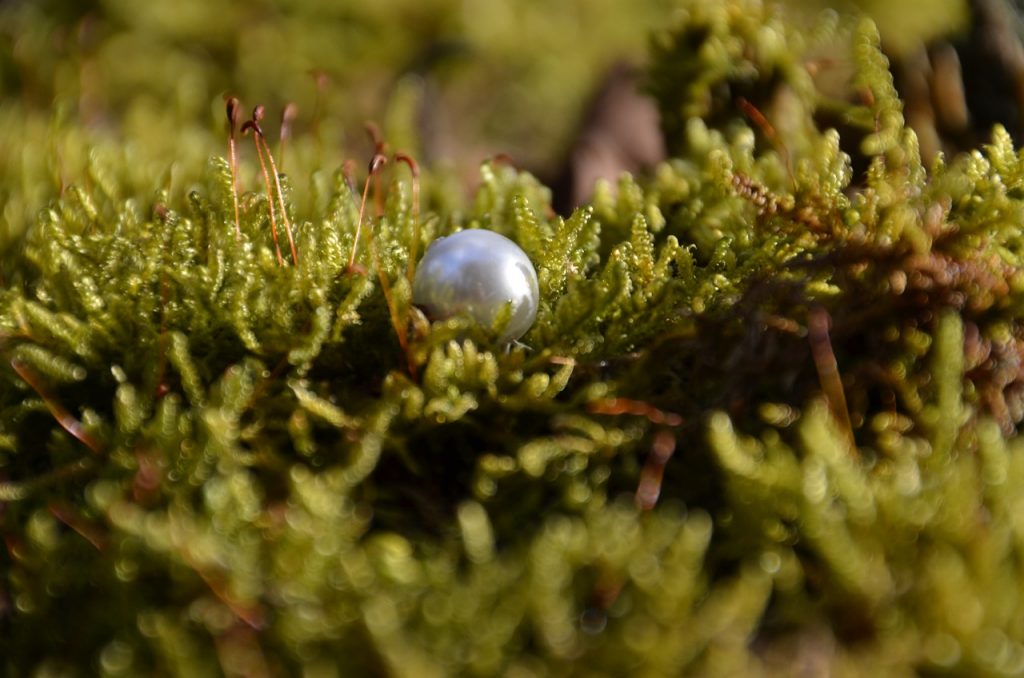
She lay alone again, thought she might cease to be, in the disarray of the unsupported mattress, the humid night, her newness to love. But someone was there, even greater than herself, a pearl, sleeping in a cold river, reflecting amber light back into her head. She knew she’d lost, and back then believed it was everything. But one night, when summer began to dwindle, she realized she remained, above herself, as varnish sometimes does, even over worn out wood. Next day she declared she’d be up soon, tomorrow in fact, back in that game, even if no one else followed her way. Didn’t doubt her wandering footsteps, the coming of mornings, autumn and winter. The young woman thought that was all of it, when life pinned her down hard, just beside the heart, but she never left her. Summer nights were turning amber. A graceful hand had held on gently, just below the river’s surface, stars looking down upon it. And when it opened, the amber pearl kept steady, her space in the current so young and fleeting. She knows, always, how not to get carried astray.
Bodies and Gurus continued
Rhaya got on with the program a week later. The lanky exercise lady’s book never returned to its place in the shelf, she kept it close by, on her nightstand. Now she had all the tools needed to keep herself in check, using the book as reference material. An extreme urge pressed on her to do it flawlessly, with total concentration. All other aspects of her life would have to wait, like cleaning her room; talking to Gaby, her best friend; thinking about ways to talk to the cute, next door neighbor. Everyday activities gradually merged to a blur in the background. There was still school though. The young lady had to get homework done every afternoon, the grind she had come to hate, with capital letters. She had painting class on Thursdays, after school, the only outside activity she didn’t loathe. Rhaya loved the aroma of paint at her teacher’s studio; the large sheets of vellum paper they used for tracing; fooling around with acrylics, thinner and oils. Academics on the other hand were a bottomless pit of compost. School didn’t agree with her. Real life was somewhere else, a place apart inside, and now even more, since her mission was set and clear. To change her body. She continually stopped at the rectangular mirror of her dressing table, and observed the bump of her lower abdomen. “Must be flat” would say Loud Thought ” is not usual”. He did had a peculiar way of speaking, like a strict, sour instructor of some kind. I could see his shadow as if in a snowy mist. “¿Not usual? you mean unusual…” Rhaya told it. “Look to others” said the Loud Thought. “¿Other tummys?” She asked, wanting further clarification, but Loud Thought did’t add to. It was pretty obvious to me. Rhaya was that kind of person anyway. The type to observe and listen to stuff that no one payed much attention to. Like how the teacher kept repeating a certain phrase, while the students manage to ignore completely, every single day. How some girls at school managed to look perfectly neat and groomed, while others seemed unable to achieve the look. The fact that some of them talked nonstop, chirping amongst themselves, laughing at nothing, never leaving any space for an awkward silence. Stuff like that. So, Rhaya took up noticing other people’s abdomens. That kept her focused, and practice made her realise Loud Thought was spot on, he knew what he was talking about. Her species of potbelly turned out to be not so common as Rhaya had believed. Almost all the girls at school had smooth abdomens, except for those with fuller figures that Loud Thought stated as being “not right”. Even some of the plumper young ladies at the all-girls school had smoother bellies, their skirts rested flatter on that area. By Christmas recital, when students were getting ready to go onstage, Rhaya’s heart and mind were far away. She dodged boredom by noticing bodies and all their peculiar differences. Loud Thought was a good spotter also, he pitched in. “Look her body. Is thick, strong, no good for graceful woman” “Look there, she well balance, face also”. “Yeah” thought Rhaya. “She’s so lucky” she told herself “she’ll never have to worry, ¡about anything!” Lucky girls would go on with her lives, unconcerned if the clothes they liked fit them well or not. They’d be able to wear the jeans. Rhaya dreamed of getting into the high waisted, fitted style. Already she had trouble in that department, even before Loud Thought got on her case. She couldn’t use tucked shirts because they made her feel chunky. My assigned girl never wore layered clothes, even though she longed to wear a nice preppy shirt under a standard V-neck sweater, very Academia. “Oh no way, no way” she would tell herself in front of the fitting room mirror, and that was the end of it. But Loud Thought flowed more words to her mind, once he took a hold. “I look so chubby, so not feminine at all” she told herself again and again. But it didn’t take long before Rhaya began loosing pounds, it was noticeable in her whole body. The Potbelly also got smaller but fought steadfastly to stay put. But it wasn’t just that anymore. Now she knew more about flaws in bodies. Hers had many. “My top should be lighter than my bottom.” she thought, while hunting for some visible progress in her reflection on the mirror. It naturally tended to be more towards the heavy side, though not as extreme as Grandma Henrietta’s and Great Grandma Mariah, who, by the way, never had a problem with their thick waists. But The Exercise Lady insisted it could be done. She transformed her own barrel like body to swan grace. Loud Thought got particularly insistent on the necessity of having slender arms. “No, no, too thick” it said one day, as Rhaya looked at her figure, reflected on the elevator mirror, while going up to the dentist’s office. “Yeah, I think I know where I got them from. Moms’ arms look sort of like sausages, and all that side of the family too” she rationalized in silence. As Rhaya got thiner, she felt hungry and cold most of the time. Low fat and multi grain didn’t seem to create that much energy. She believed those sensations would fade away after getting used to the regime, but they didn’t, it got harder and harder. “Its silly to be so hungry” she told herself. “Im having lots of veggies, fruits, beans and rice. It’s supposed to fill you up”. Loud Thought didn’t comment, but I was sure he heard that, he was keeping a close eye on her attitude. “I must be tough, I must be strong” Rhaya repeated during the day. Heavy exercise was also part her mission of transformation. Aerobics class every day, as her exercise Guru recommended. One hour of Gina’s class, the toughest
The Item
There is a presence, an item, and it lives, without need for oxygen. But it’s not him, even if my mind’s eye insists. I made him up in the length of decades. After many words ensued, he inhabited my head, full of himself. He became a rant, annoying as a jump scare, never listened. But today I let him go, even if he imprints his presence, always busy in the background, ready to protect from the greatest threat of them all, loss. I created him, internalised the frequencies of his mission; absorbed into my stream the perceptions he embodied; took it all into the deep tissues. His worried presence, neurosis, accumulation of stress. The item fights a future he conceived in fear, almost a century ago. But today I granted him the possibility. I bade him farewell, gave him the freedom to disappear and to continue on as simple energy, told him he could change. I can differentiate now, and that is the difference. He is not human, but a servant of a will that is not my own, the envoy of a mission that I did not choose. Yet he must be appreciated, somehow acknowledged, and I do, by strange grace arisen at the summit of change, an eclipse, a dark Sun bearing the radiant crown of closure. An item to be left aside, to dissolve in the newborn year. He shall then rise as cottonwood seed would, in the warm air of my evening. In the meantime, I will fight to remember the way of brightness. Adventures free of expectation, clear roads unblocked, vacancy. I shall pray for silence, empty rooms, and a handful of future. Gold pebbles in the raw, the touch of Midas in my hands, a magical song dancing as a flame would in twilight. Intentional fire ablaze. Velocity inspired. He left in an instant, when I saw my fear was his lack, the familiar voice an poor imitator of my soul. Imagination transmutes fast, I know. Soon he will live differently, on another type of ray, a beam of tomorrow, dressed in clear splendour, waiting for my arrival.
Baroque
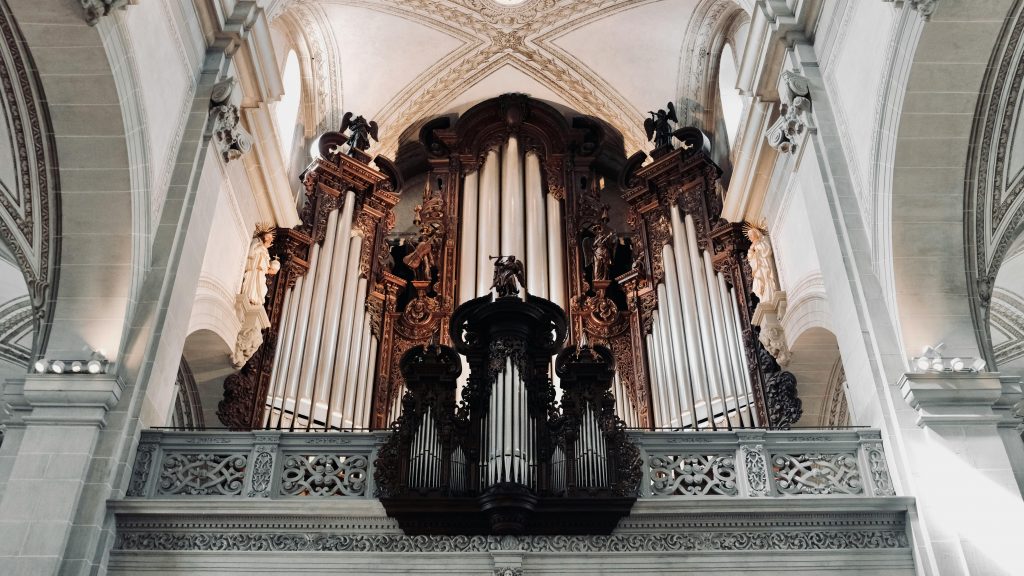
You’re so classic, almost baroque. Must be those strands, it’s been a while since you let them be; coarse between my fingers, opulent mahogany curl, streaked with silver anguish, and the burnt butter of your skin. Yes, I know what the harshness of grey skies did to our mane. You’re such a moth ball now, although I still like you in a suit, when you give off the aroma of a cool cathedral, enclosed, quiet. Time’s debris floats in subdued streams of sunlight, filtered through the stained glass. You’re a piece of sacred art, a haloed saint, looking up the elaborate vault, drama in your eyes, always. A dark background is all you have suffered, your orbe the only light in the portrait, and your exquisite hands, my very own Greco. You’re a grand organ for sure, a monumentalist, and it’s sort of embarrassing, but I stay and listen. Dark eyes can hide under extremist brows and yet, gentle light infuses the swivelling colonnades of our lives. Sound might mellow your whisper to low confidence, and rise then triumphant, booming like the cinema. Colours march out the grand pipes in patterns, repetitive, like you opening the door for me since we first met and, I daresay, forever. Jubilees outside my window, the morning mist. Thunderstorms through the late afternoon, it’s all you, a prelude, so tocata, a fugue.
Time stamps
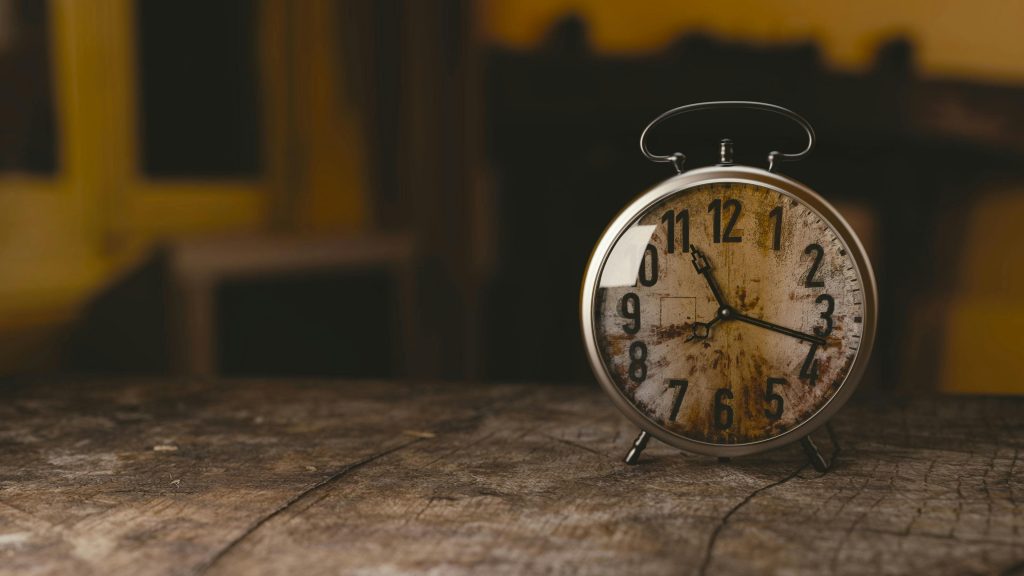
Time deals differently now. I ask to the invisible ¿have I been dislodged, dug out of somewhere, a matured stone turned crystal? ¿Or was something dug out from me? ¿Is it possible to go backward, find the place where I was brighter, before solidity? Maybe even further back, to the ancestors, in the deepest forests, when conversations happened all at once; trees reverberated voices, whispers emanated as song, before this extraction, when the pit was left bare. ¿Could I sleep in such crystal perfection, resting as a goddess, carefree, accomplished just for being placed, that dreaming would be my only formal occupation, a profession eternal? But for now I must resist the call to the grind, the advancement mill of success, of my present time stamp. Upward I only see the whipped clouds. Skies rest before the coming of age. Our atmosphere heaves like the oceanic tide and then exhales, belly flat. I must learn to let it out too. And the pit, ¿what about the pit? It’s what I carry. Memories clinging for shelter, when the wind whines harshest. But time ran itself out, it chased itself mad, time to refresh. So, ¿should I fill it now or honor its sullen interior? I’ll give the pit time to sulk. Afterward I’ll patch it good. Make it wholesome with loosened soil, intense nutrients, aired by early spring. I’ll pack it firm, and mark the repaired hollow with a sturdy flag. This is my new time stamp.
River
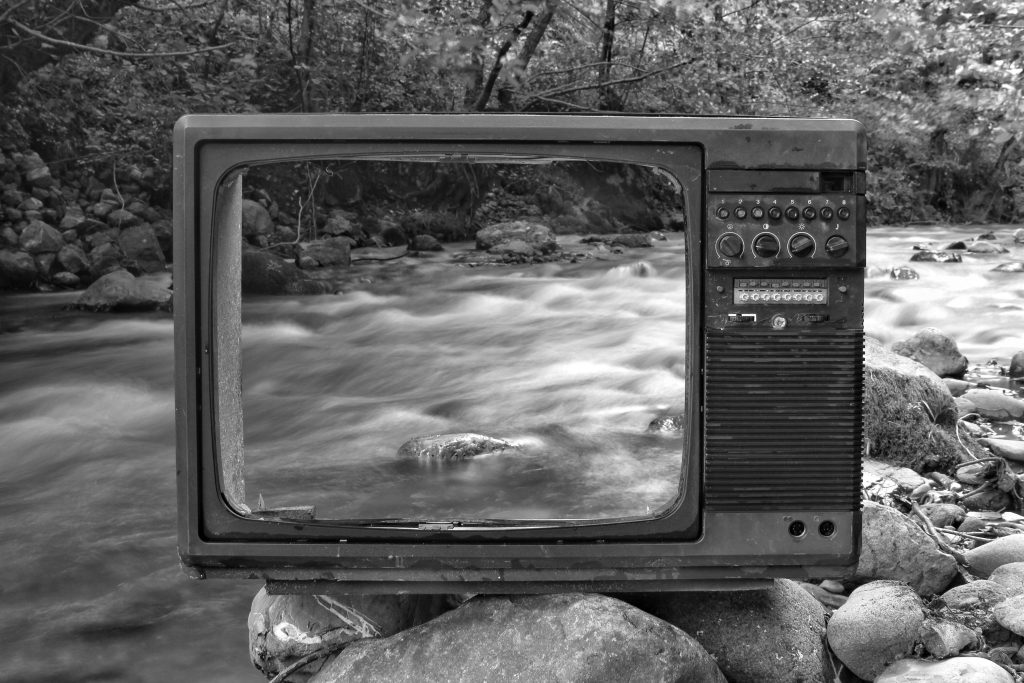
February skies my hearth, wind whispers my name transparent, knowledgable of its nature. I was raised in this winter quadrant, the Sun to the horizon, and they said it’s in detriment but I’m not bothered. My name runs through and is lost, but will find other hearths on its unpredictable voyage. Because I randomize, that is my fort, gusts out of synch. But today the Sun has snuggled up to Saturn, and I must see reality, fine as this day’s sky. He hints from his warm abode. An answer is born and is sure to last. I don’t have to push for it, mix it with others, or put make up on it. Reality just runs itself out like my gusts always do. Skies sing, they are taking to finer yet more potent winds. My hearth will never again be what it used to, it is almost ashen. But I see futures reflected when I stand by the river, the one that runs through all fields around. It goes on forever, doesn’t depend on me. I should only observe, listen, standing right here, on the the rocky bank. I close my eyes. A new gush comes, electricity in my head. The river builds up thunder, currents unstoppable, as native February must.
Transfusion
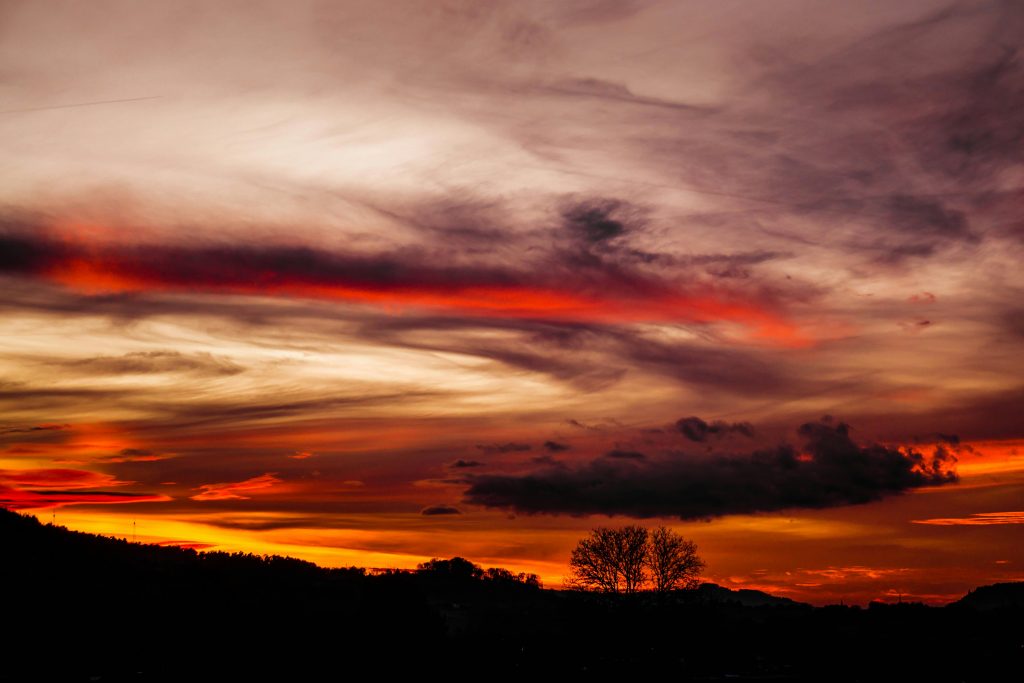
I guess you were meant to iron me out, after times of intense ambition, climbing cliffs, goat’s hoofs embedded in solid rock. Games for climbers, persevere up the steep and, I suspect, maybe I got lost in it, and this round has to be the last of that. You must spend all of me, empty my pockets. Imagine our tie as a promise made a while back, of bleeding it all away, and soon to come, the full transfusion. Total hema count anew. After you scrunch me up good, wrung it all out I’ll ask —¿what then? Let’s realize this in exhaustion and pray. A new configuration gurgles down below. On the surface my face sags, my bones hurt. Your hair thins, eyes shot. But we are almost there. Let this be the waiting room, as the last of another Sun year passes outside our window. Wait it out. And when the sky turns reddish and blotchy it is occurring, our next horizon, transfusion, our brand new blood.
¿Did I Just….?
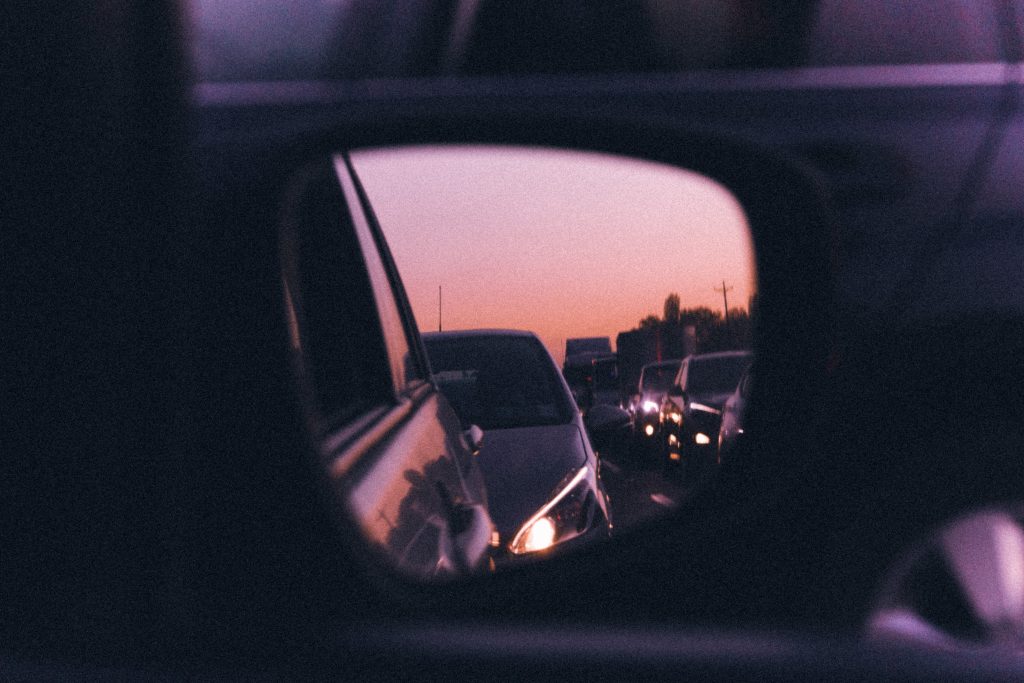
¿Did I just realize truth while caught in the motion, amid the rat race, the traffic jam? Did he just pull up his mask and smile? ¿Did light flood the cabin while I stared, at the dented tail of the car in front of us, and what always has been just took a deep breath, and then exhaled relaxed? ¿Did the past just say hello with a real face, no makeup for the show, no PR? I believe she just yawned. ¿Did I just find out what was never hidden? Freedom hung out placid in terrenal constraint, nonchalant, waiting at the bus stop, no biggie. As I pass the grey, abused underpass, stained by chaos, vehicles swarming, ¿Did I just discover meaning at the edges of my usual brain rant? ¿Am I now finding it funny that we should care so much, that freedom turns out to be a child? Playing in the playpen of borders, earthly limitation, unconcerned by the litter. She smiles nonetheless, she laughs, each moment is of itself, a complete story, no drudgery of carrying it along to the next. She’s quick, organically attentive, not in a rush to make sense. It’s a short cartoon, rich in color, mesmerizing, that’s all. ¿Did I just hear the drums of potential while stuck in a traffic jam?
Clear Roads
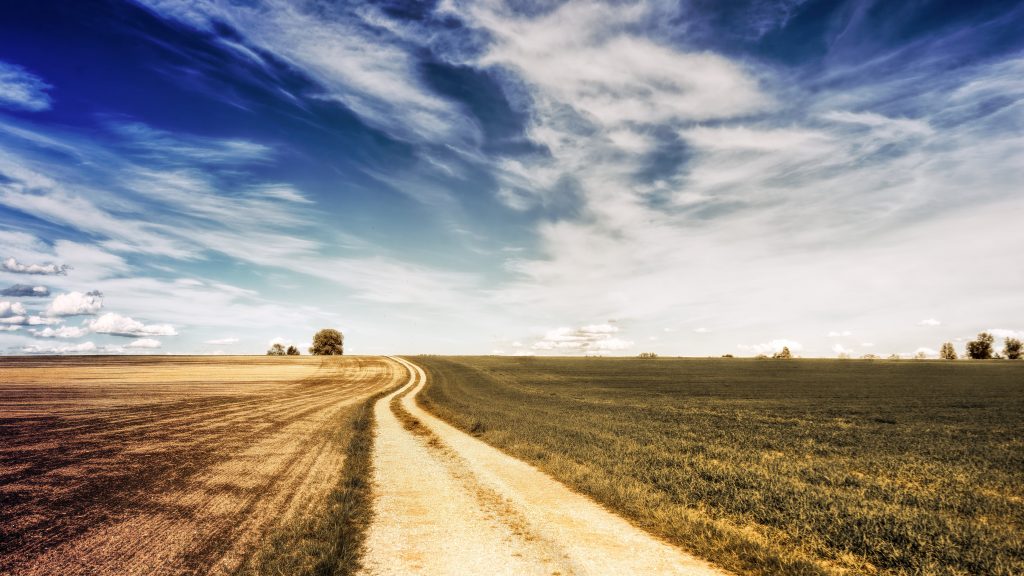
A bit empty, Vacant, Unreachable as clouds. Detached, At the edge of boredom, Unimaginative, Disengaged, The blurred background, A minimalist painting, My canvas almost bare, And all could be. That a bird might traverse my crystalized space, A plane might soar into the deepest blue, Caressing the mist, That wings might spread, New things could appear.
Strange Riches
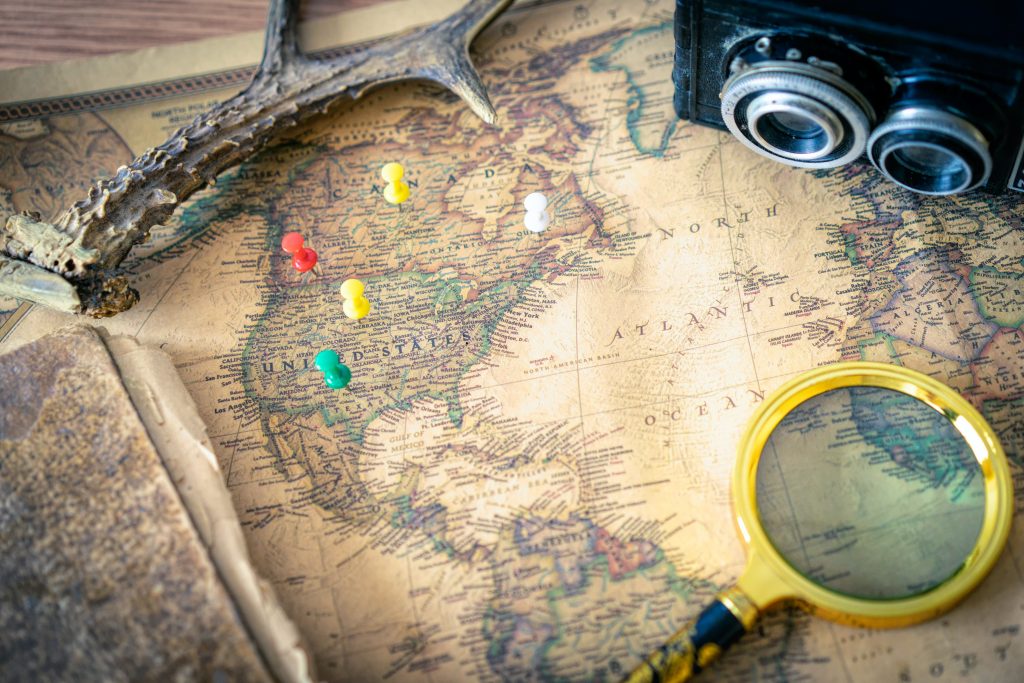
These strange riches given, Stand crumbling on the sullen street of times past. Grandma’s house with its ceiling planks bent, A violent crack runs wild, the length of the dining room, Shut doors, melded to frames, Of childhoods past, stories kept, Flooded memories. But Scheherezade still waits inside Arabian Nights, Bound in real leather, tightly fit in the carved Italian bookcase. Framed maps of antique parchment rest about the entrance hall, Leaning on the walls, waiting for something, Maybe the final collapse. And I wonder, Those long gone explorers, cartographers of time, ¿Might their eyes have met riches just as strange as mine?